vacuum membrane press adhesive
1. Widely used for vacuum-forming of panel components: living/bedroom areas, cabinet doors, speaker parts, computer desk components, wooden doors.
2. Excellent bonding strength, heat resistance and moisture resistance for fast bonding of decorative PVC film.
3. Free-formaldehyde, complies with Japanese JAIA F☆☆☆☆ certification.
4. High viscosity suitable for porous substrates; activation temperature as low as 55℃.
5.Service: Custom OEM & ODM solutions available.
Vacuum membrane press adhesive for furniture and cabinet doors – high adhesion, low activation, zero formaldehyde
Vacuum membrane press adhesive plays a crucial role in the production of high-quality furniture surfaces. AQUENCE FD3139 is a water-based PVA emulsion adhesive specifically designed for vacuum forming applications, offering excellent initial tack, final bond strength, and reliable heat resistance. Its activation temperature is as low as 55°C, and its zero-formaldehyde, zero-solvent formulation meets stringent environmental standards. This product has obtained JAIA F☆☆☆☆ certification in Japan and supports the efficient and safe production of panel furniture, cabinet doors, wooden doors, and speaker components.
Main product characteristics
AQUENCE FD3139 is specially designed for vacuum forming applications and bonds PVC decorative films to MDF, chipboard or other absorbent board substrates. The high viscosity formulation (viscosity between 850 and 1250 mPa·s) prevents over-penetration into porous surfaces and ensures a strong surface adherence.
The adhesive may be triggered at as low as 55°C, making it suited for heat sensitive surfaces. The low activation temperature minimises energy usage in manufacturing and protects boards that cannot tolerate high temperature pressing. The matte surface is also carefully preserved. Which is important for the look of the furniture.
It has a good initial tack which might reduce the pressing cycle. The ultimate bonding strength is so great that the film may still attach securely even after long-term usage or exposure to wet conditions.
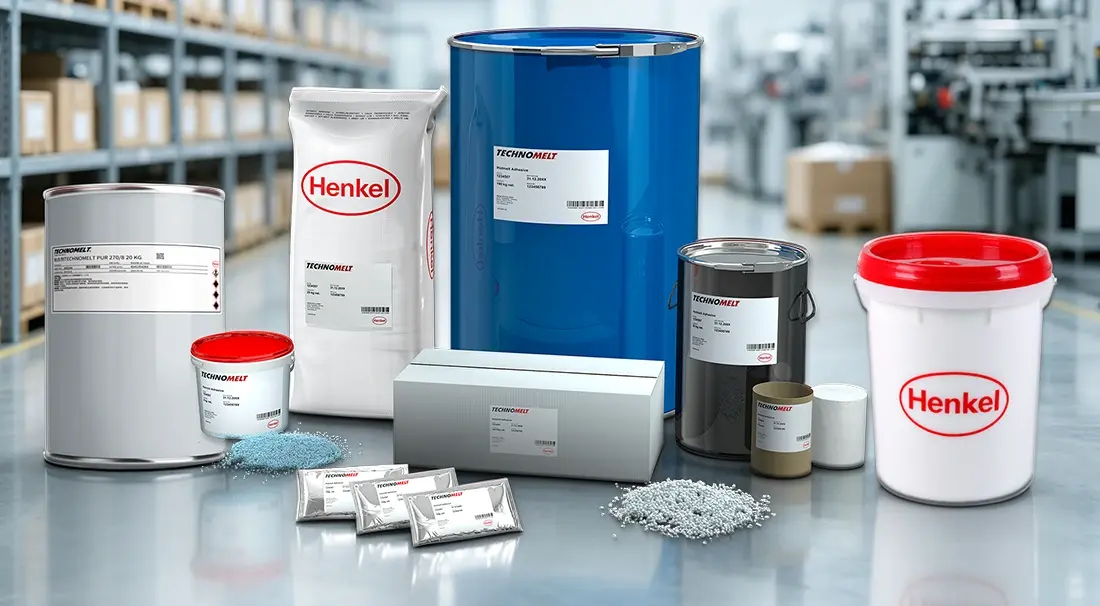
Vacuum membrane press adhesive technology specifications
| scope | value |
|---|---|
| appearance | White emulsion |
| Viscosity (Brookfield, mPa·s) | 850–1250 Hz |
| Solid content | 48%–54% |
| pH value | 6-8 |
| Activation temperature | 55°C |
| Package | 20 kg/barrel |
| Application methods | Spraying application |
| Minimum operating temperature | Above 10°C |
Application scope and usage guidelines
This vacuum membrane press adhesive is specifically designed for vacuum film lamination processes and is suitable for applying PVC decorative films to a variety of panel furniture products. Typical applications include:
Living room and bedroom furniture panels —cabinet doors, wardrobe doors, and TV cabinet panels—all benefit from the adhesive's strong film adhesion and compatibility with smooth, matte finishes.
Wooden doors and speaker assemblies – their high final bond strength and moisture resistance make them reliable in both interior architecture and audio product applications.
Computer desk components —which require durable, smooth-surfaced panel parts—are perfectly suited for this formula.
For optimal results, spray the glue evenly over the surface of the panel. Make careful to maintain an ambient temperature of 10°C and above throughout the whole manufacturing process (mixing, spraying and pressing). Local heating is suggested in the often chilly workshop environment to minimise partial film formation and consequently adhesion failure.
For porous substrates, such as low density particleboard the quantity of coating applied has to be carefully managed. Too much coating may allow the glue to penetrate too deeply into the board and produce demolding flaws following pressing.
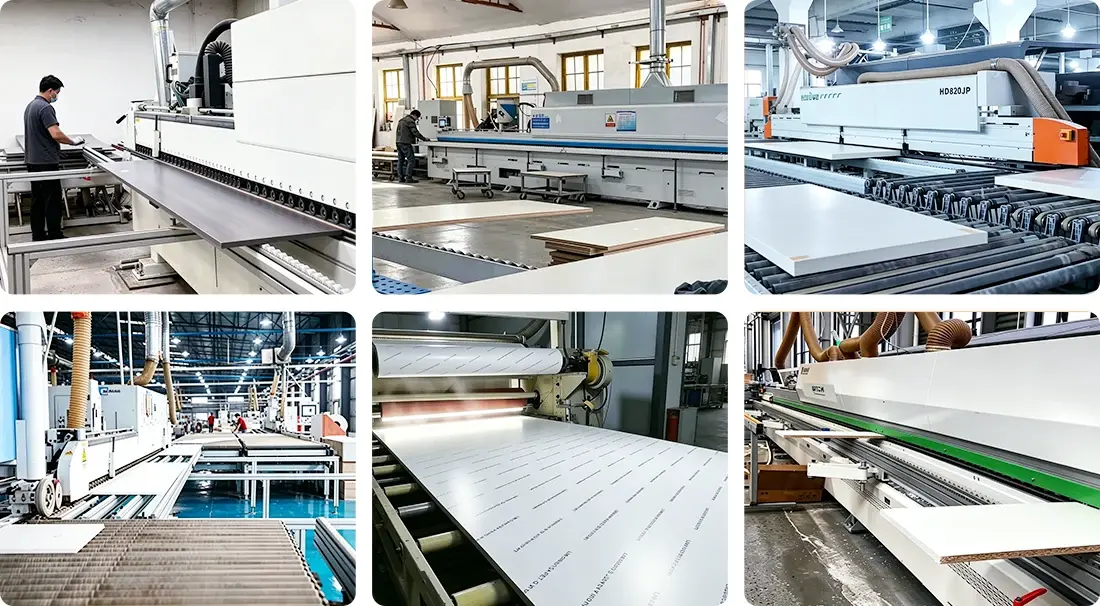
Environmentally friendly formula and compliance
For furniture manufacturers serving the European, Japanese, and North American markets, environmental compliance is increasingly important. This vacuum membrane press adhesive uses a solvent-free, formaldehyde-free water-based formula that meets Japan's JAIA F☆☆☆☆ indoor air quality standard—one of the world's most stringent formaldehyde emission certifications.
This water-based emulsion system means that no harmful organic solvents are released during application. This helps create a safer working environment for operators and complies with international VOC emission reduction requirements.
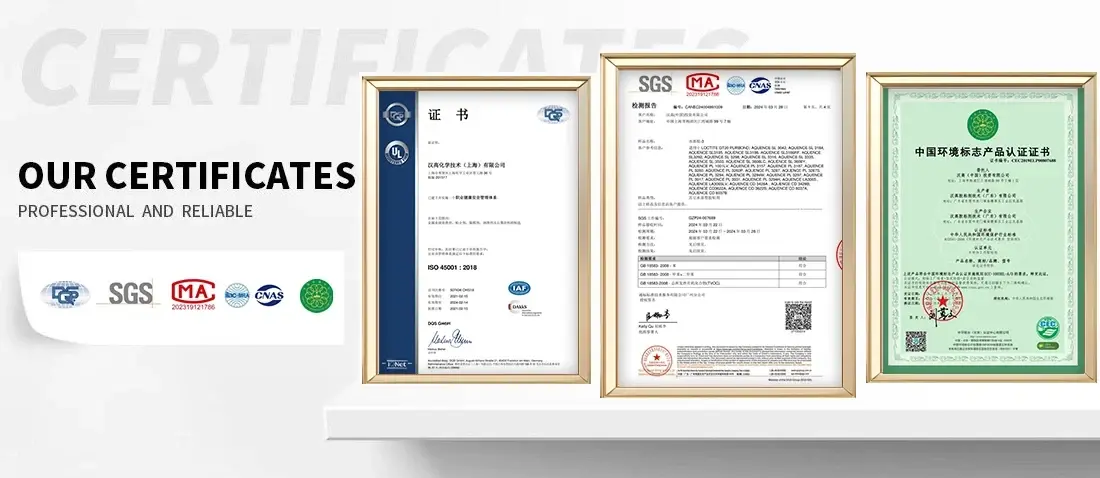
B2B Supply and Customization
Sany Unicom also provides OEM and ODM services to customers that want tailored private label goods or composition changes to meet particular uses. You may fine-tune the parameters such as viscosity, open time, activation temperature and bond strength according to your substrate type, pressing equipment or manufacturing line speed.
Standard orders will ship within 10-15 business days. OEM orders will be sent within 12-18 business days. Products in stock may satisfy urgent demands and will be delivered in 2-5 days.
Provide full technical documentation such as Technical Data Sheets (TDS), Safety Data Sheets (SDS) and test reports for use in quality audits and procurement clearances.
Frequently Asked Questions
Q: What substrates is this product suitable for?
A: It is applicable to porous substrates such as medium density fibreboard and low density particleboard. It may be utilised along with PVC decorative film by spraying and vacuum moulding.
Q: What is the minimum working temperature of this adhesive?
A: The working environment should be 10℃ or above. Under this temperature, the emulsion can't produce a full film, even with heating and pressing, the adhesion failure will occur.
Q: Why is it vital to activate at such a low temperature (55°C)?
A: Lower temperature of activation may prevent the deformation of heat sensitive substrate during pressing, save energy, and extend the range of panel materials.
Q: How should the amount of coating applied to perforated plates be controlled?
A: For high-porosity boards, the adhesive should be applied using a controlled and uniform spraying method. Over-spraying will cause the adhesive to penetrate deep into the board, thereby weakening the surface adhesion and potentially causing the adhesive film to peel off.
Q: What aspects should be checked when edge protrusions occur during the PET film pressing process?
A: After eliminating such parameters as adhesives, films and cardboard, verify heating rate, mould cavity temperature uniformity and hoover suction time. One of the most prevalent causes of edge flaws is opening the mould before the pressed object has fully cooled.
Q: Is this product available for OEM packaging?
A: Yeah. Sanyiyou offers OEM production, private label packaging and private label formulation for B2B customers. Production cycles are determined by the kind of order and needs.
Contact Us
Interested in samples or bulk pricing for vacuum membrane press adhesive ? Please contact our technical team at sales@sayiyousolutions.com — we are ready to support your project.