low odor uv putty
1. Fills surface defects of panels, excellent sanding performance, low odor.
2. Applied by roller-coating equipment.
3.Service: OEM and ODM customized solutions available.
Low odor UV putty, suitable for furniture and wood panels—a high-filling, easy-sanding roller application solution.
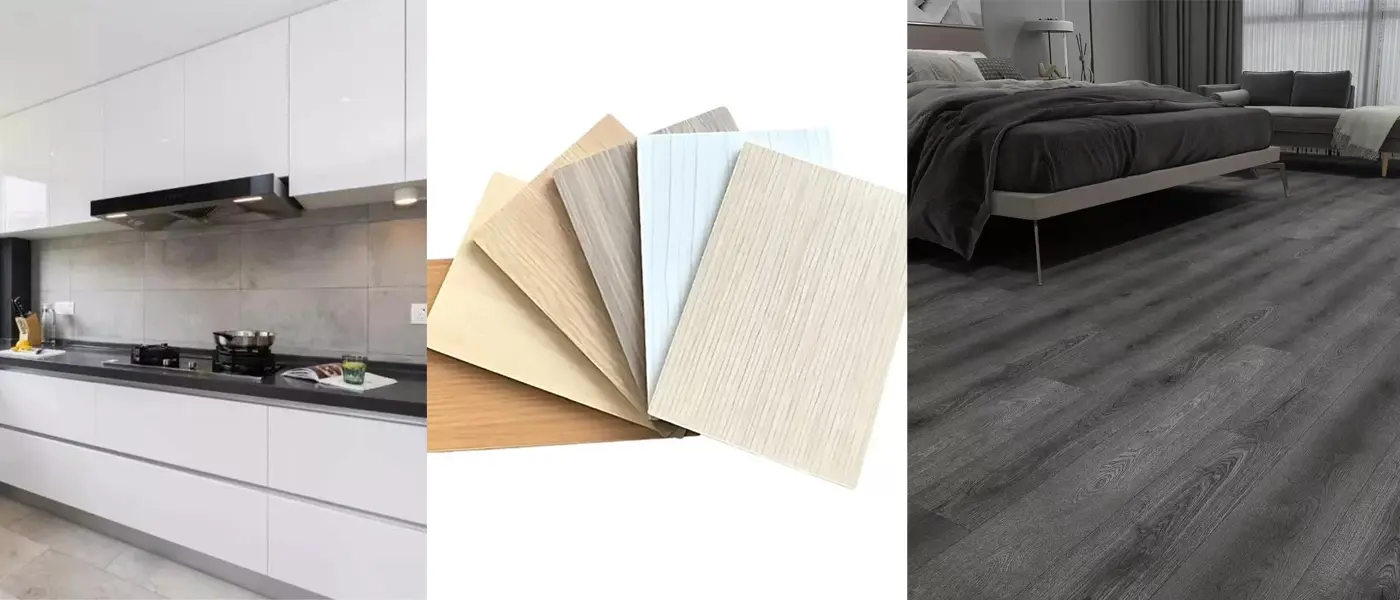
Sanyiyou low odor uv putty is designed for industrial roller coating production lines in the furniture, cabinet, and panel manufacturing industries. This product has a solids content ≥98%, a pencil hardness ≥3H, and a cross-sectional adhesion rating of Grade 1. It features reliable surface filling, excellent sanding performance, and extremely low construction site odor. It is suitable for cabinets, furniture panels, calcium silicate boards, solid wood flooring, and composite flooring. OEM and ODM customization services are available; standard orders can be completed within 10-15 working days. For manufacturers seeking stable, high-performance surface treatments, this product is a practical and efficient solution.
What is UV roller-applied putty? Why is odor important?
Putty is used in furniture and panel manufacture to fix surface flaws before the application of a finish. Traditional solvent-based putty produces a high quantity of volatile organic compounds (VOCs), which leads to unpleasant odours in the manufacturing process and may lead to health problems.
This product solves this problem. It uses UV curing and a low-VOC formula with a solid content of ≥98%, meaning there is almost no solvent evaporation during the curing process. This results in a cleaner working environment for workers and safer, more efficient production line operation.
Main product characteristics
The product is a specially prepared homogenous viscous liquid for mechanical roller coating applications. It has physical qualities and performance that make it suitable for high-volume industrial manufacturing lines.
Its core advantage lies in its excellent surface-filling properties . This putty effectively fills minor scratches, grain lines, pores, and slight surface defects on wood-based and inorganic boards. After curing, the surface is smooth and can be sanded directly.
Excellent sanding performance . The cured film allows for easy sanding without clogging sandpaper or producing sticky substances. This reduces abrasive consumption and shortens sanding cycles.
The adhesion strength reached level 1 in the cross-cut test , ensuring reliable adhesion between the putty layer and the substrate, and supporting subsequent coatings without delamination.
After UV curing, the hardness reaches ≥3H pencil hardness, forming a strong and stable surface that can resist indentation during downstream processing.
Technical Specifications of Low Odor UV Putty
| scope | value |
|---|---|
| appearance | homogeneous viscous liquid |
| solid content | ≥98% |
| Pencil hardness | ≥3H |
| Cross-cut adhesive | First grade |
| Construction methods | Machine roller coating |
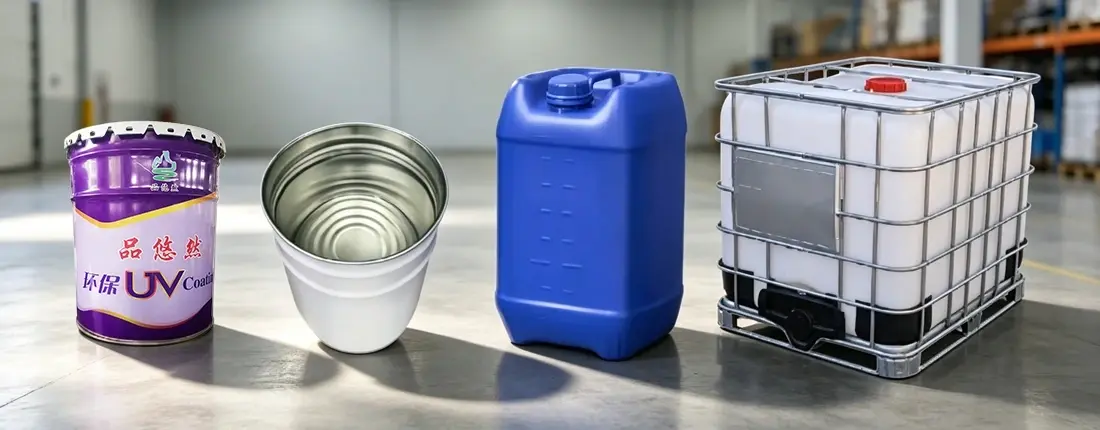
| Package | 20 kg/barrel |
Applicable substrates and applications
This low odor uv putty is suitable for various substrates commonly used in furniture and interior panel manufacturing:
- Cabinet and furniture materials – medium-density fiberboard, particleboard, and composite board, with textured surfaces or minor defects.
- Calcium silicate board – an inorganic board material used for moisture and fire resistance.
- Solid wood and engineered wood flooring – the surface needs to be leveled before applying a UV topcoat.
This product can be directly applied to existing roller coating production lines without major equipment modifications. Optimized for automated coating, it ensures uniform film thickness across large-area substrate surfaces.
Application and Process Guide
To achieve the best results with low-odor UV putty, some process details need to be considered.
Sealing the substrate is important. For porous substrates, such as calcium silicate boards or open grained wood panels, a penetrating primer must be used before putty is placed. If not sealed, the putty will penetrate too deep in the substrate, which will reduce the filling efficiency and increase material consumption.
Control of UV energy is important. Excessive UV radiation may lead to over-curing, resulting in a hard layer that is difficult to sand. The energy of the UV lamp should be adjusted to the appropriate settings for the product and should be checked before manufacturing.
Stop pinholes and air bubbles. Pinholes or pits in the cured film are mainly generated by air trapped in the open substrate or air entrained during mixing. To minimise this possibility, filter the putty material before feeding it into the roller coater.
Roll coating uniformity. Uniform film thickness is obtained due to steady roller pressure and manufacturing line speed. Trial plate testing for first time setup before mass manufacturing.
OEM, ODM and Customization Support
For this kind of goods, Sany provide full OEM and ODM service. Should your application need changes in viscosity, cure speed, hardness or fill qualities, we can tailor formulas to your substrate, equipment or performance requirements.
We provide OEM production, bespoke packaging, and application-specific formulation iteration services. Small batch sample testing may be done before the order is made for full scale manufacturing.
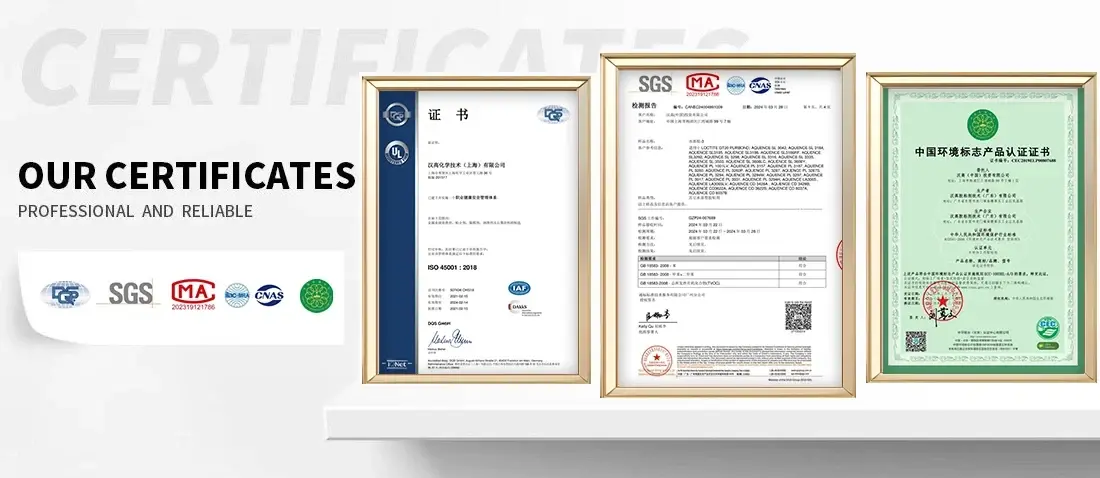
Technical documentation, including TDS and SDS, for low odor UV putty can be provided upon request to support procurement, compliance, and quality control processes.
Frequently Asked Questions
Q: What substrates are suitable for this type of UV putty?
A: Suitable for cabinets, furniture boards, calcium silicate boards, solid wood flooring, and engineered wood flooring. Specifically designed for machine roller coating and filling processes.
Q: How should the UV energy be set during the production process?
A: The UV energy should not be set too high. Over-curing will result in an overly hard film that is difficult to sand. Please test with your specific lighting fixtures and production line speed before full-scale production.
Q: Why is the putty not filling well on porous calcium silicate boards?
A: Larger pores can cause the putty to penetrate too deeply. A penetrating primer should be applied first to seal the surface, followed by the putty to achieve effective filling.
Q: What causes pinholes or pits to appear on the cured film?
A: This is usually caused by residual air being released from an unsealed substrate during heating, or by air bubbles being introduced during mixing. Please filter the material before use.
Q: Is this product suitable for both furniture and flooring?
A: Yes. This formula is suitable for both furniture panel coating production lines and engineered wood flooring coating production lines using UV curing systems.
Q: Do you offer OEM or custom formula development services?
A: Yes. Sanyou provides OEM manufacturing and ODM formulation customization services. Please contact our team and inform us of your substrate type, equipment configuration, and performance requirements to begin cooperation.
Contact Us
Looking for the right low odor uv putty for your production line ? Contact our team at sales@sayiyousolutions.com for samples, pricing, or technical support.